Sheet 05 of 08
What we measure,
and what we
send you.
A cupping score on its own tells a buyer very little. These are the numbers that decide whether a lot ships under our mark, and they travel with every offer.
- Moisture
- 11.0–12.5%
- Water activity
- ≤ 0.60 aw
- Screen size
- 16+ · 18+ on request
- Full defects
- ≤ 5 per 300 g
- Cup score
- 84–87 SCA
- Sample
- 300 g, courier 5–7 days
Why water activity, not just moisture
Two lots can both read 12% on a moisture meter and behave completely differently in a warehouse. Moisture is how much water is in the bean; water activity is how much of it is free to do damage — to feed mould, to carry a stale note, to move during a thirty-day transit.
We hold every lot at or under 0.60 aw. It is the number that predicts whether a coffee will still be the coffee you cupped when it reaches your roastery.
How we cup
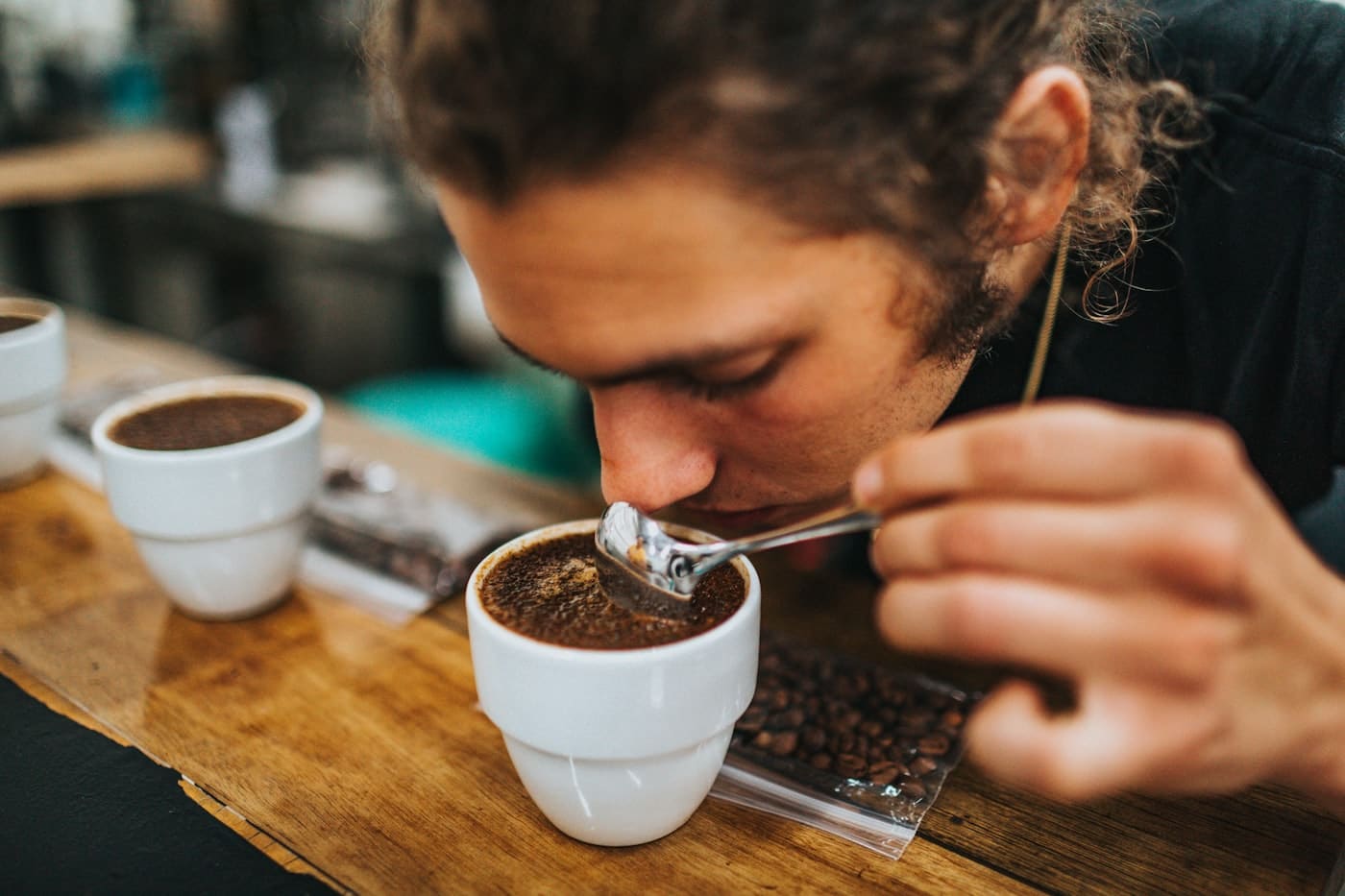
Standard SCA protocol, three times per lot, and the third time is on your table rather than ours.
- Ratio
- 8.25 g per 150 ml, five cups per lot
- Grind
- 70–75% passing a 20 mesh sieve
- Water
- 93 °C, filtered, 125–175 ppm total dissolved solids
- Crust
- Broken at four minutes, skimmed, tasted from eight
- Roast
- Agtron 58–63 whole bean, rested 8–24 hours
- Panel
- Three cuppers at the Medan lab, scores averaged, outliers re-cupped blind
Three times
- At the millWithin a week of hulling, to decide whether a day-lot keeps its own identity or goes into the mark.
- At the labAfter grading, on the finished lot, against the retained sample of last crop's shipment of the same mark.
- By youFrom the pre-shipment sample, drawn out of the stuffed lot. Nothing sails until that comes back approved.
How a defect is counted
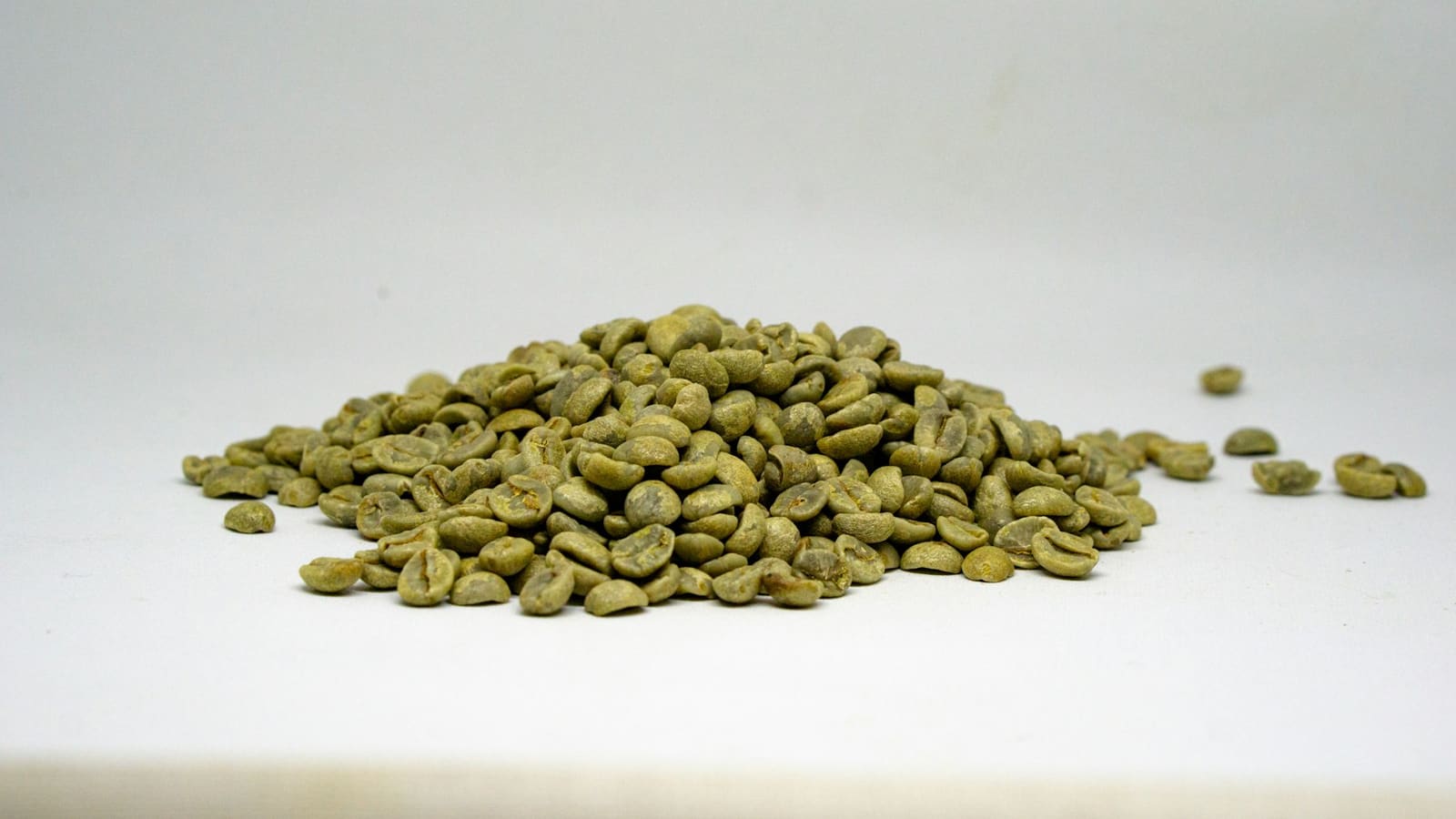
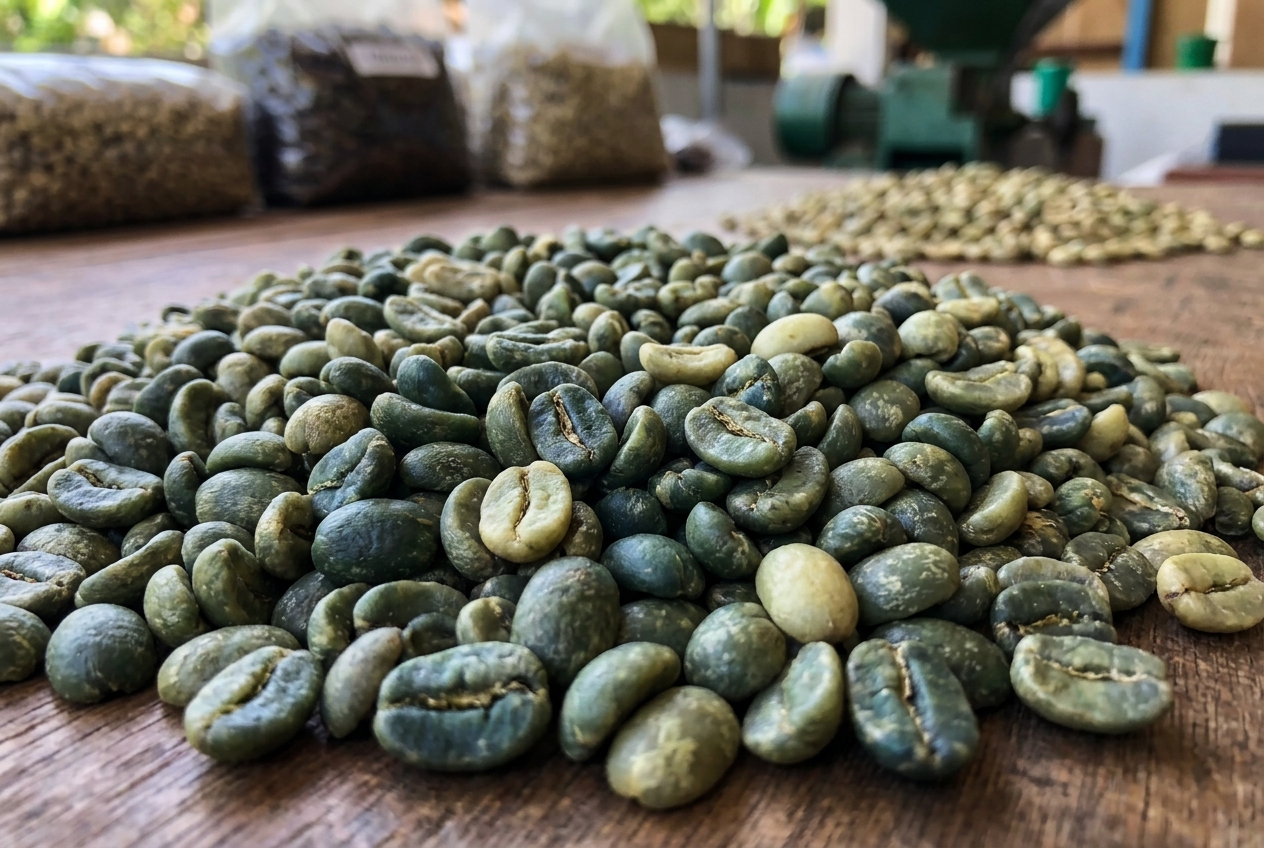
Green grading is done on 300 grams, by hand, at the Medan lab. Not every bad bean weighs the same: one full black is a defect on its own, while it takes five floaters to make one. Specialty grade allows no category-one defect at all.
| Defect | Beans per full defect |
|---|---|
| Full black | 1 |
| Full sour | 1 |
| Dried cherry or pod | 1 |
| Fungus damaged | 1 |
| Foreign matter | 1 |
| Severe insect damage | 5 |
| Defect | Beans per full defect |
|---|---|
| Partial black | 3 |
| Partial sour | 3 |
| Parchment | 5 |
| Floater | 5 |
| Immature | 5 |
| Withered | 5 |
| Shell | 5 |
| Broken, chipped or cut | 5 |
| Hull or husk | 5 |
| Slight insect damage | 10 |
What we can tell you about a bag
Every lot keeps its identity from the weighing station to the container door. If a coffee cups well, this is what lets us go back and buy the same thing next crop rather than something near it.
- Producer group
- Named on the lot sheet, with the number of families behind it
- Collection
- Which point took the cherry in, and in which week
- Drying
- Which yard or bed block, and how many days on it
- Milling
- Hulling date, grading date, moisture and water activity at each
- Shipment
- Warehouse lot number, container number, seal number, door moisture
- Geolocation
- Plot polygons held for EUDR, available as a GeoJSON file on request
Samples
Type samples are free to roasters and you cover the courier. Pre-shipment samples are drawn from the stuffed lot itself, not from the mill's retain, and we keep a sealed counter-sample for twelve months in case we ever have to argue about it.
- Type
- 300 g, representative of the mark, sent on request
- Offer
- Drawn from one specific lot against a live offer
- Pre-shipment
- From the stuffed lot, couriered before the vessel is booked
- Counter
- Sealed, held twelve months at the Medan lab
- Transit
- 5–7 days to most roasting countries