KaviaGreen Coffee · MedanRequest samples

Sheet 02 of 08

Six highlands,
four islands,
no single harvest.

Indonesia is five thousand kilometres wide and sits on the equator, so its coffee regions never agree on a season. That is inconvenient for a farmer and useful for a roaster.

Indonesia grows more coffee than all but three countries, and most of it is robusta at low altitude, sold by weight. Arabica is a different crop here: it lives above 1,000 metres on young volcanic soil, and it is grown almost entirely by smallholders working half a hectare to two, often with the trees mixed into whatever else the family eats.

What those six highlands share is andosol — soil made from recent ash. It is loose, holds water, and carries an unusual amount of organic matter, which is why a coffee tree on the flank of a live volcano behaves differently from the same variety on clay. What they do not share is a calendar. Sumatra picks against the eastern islands, and the gap between them is the reason a roaster can hold one exporter and still have fresh crop for ten months of the year.

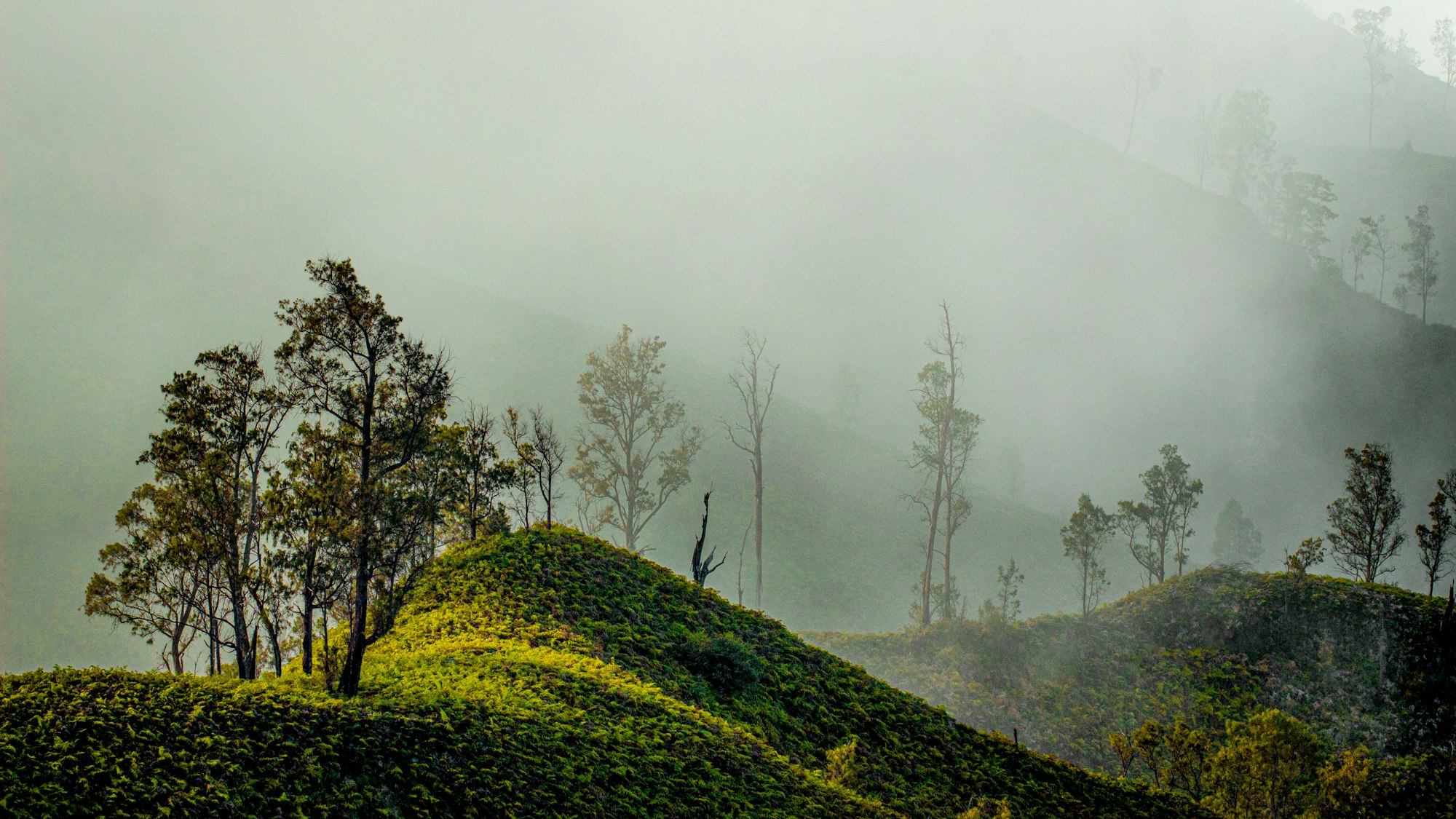
Ridge after ridge of planted hillside disappearing into fog.
Above 1,200 metres, most of the year, this is the weather.
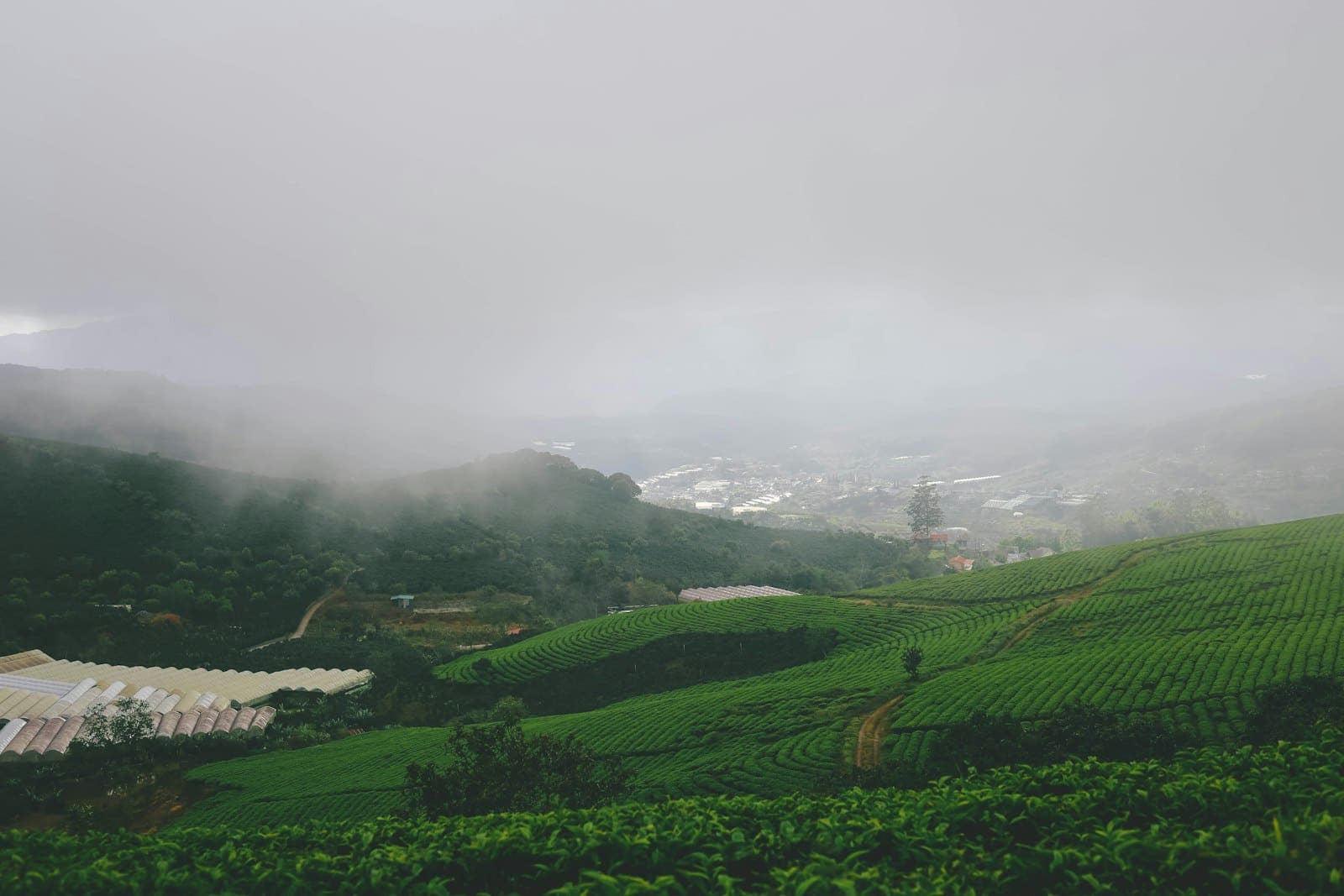
Mist moving across planted highland ridges above a valley town.

KLD-GY

Tanah Gayo

Aceh Tengah and Bener Meriah, Aceh

The largest arabica landscape in the country, spread around Lake Laut Tawar and up the flank of Burni Telong, a volcano that still steams. Nearly all of it is smallholder ground, and nearly all of it is organised into cooperatives — which is why Gayo carries more organic and Fair Trade certification than anywhere else we buy.

It also rains twice a year here, so Gayo runs a main crop and a fly crop and is rarely completely out of coffee. Almost everything is wet-hulled, though the washed and natural lots coming off the newer yards are worth asking about.

Altitude
1,200–1,600 m
Soil
Andosol over the Burni Telong flank
Varieties
Ateng Super, Gayo 1, Timtim, P88
Process
Wet-hulled, washed, natural
Harvest
Oct–Feb main crop, Apr–Jun fly crop
In the cup
Cedar, brown sugar, grapefruit acidity, herbal finish
Groups
11 groups, 640 smallholders
To port
Takengon to Belawan, 9 hours by road
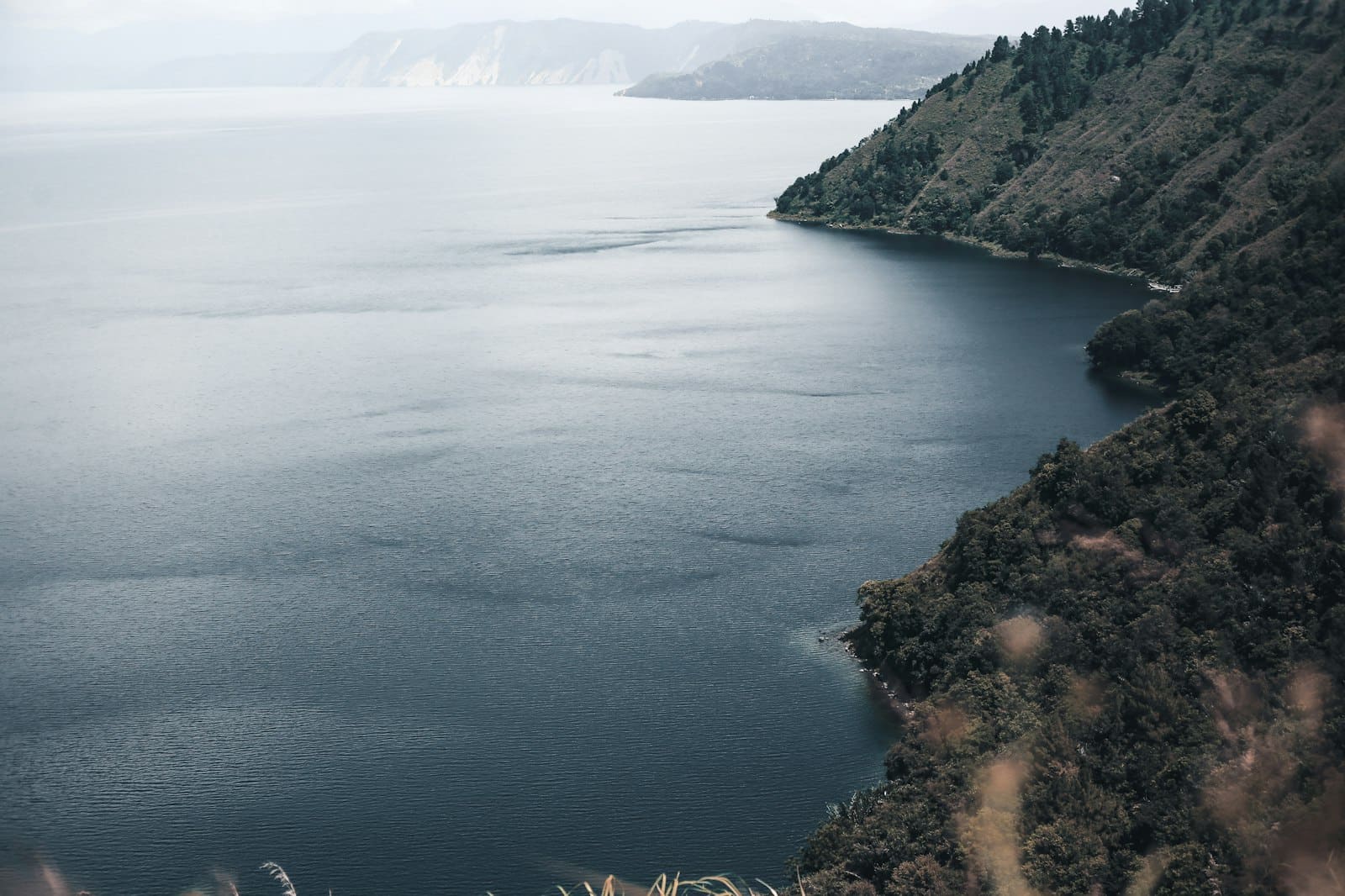
A still lake lying against a steep forested hill.

KLD-MD

Lintong & Mandailing

Humbang Hasundutan and Mandailing Natal, North Sumatra

Lintong sits on the plateau south-west of Lake Toba, which is not a lake so much as the flooded caldera of a supervolcano — the soil for a hundred kilometres in every direction is its ash. Mandailing lies further south around Pakantan, lower and wetter, and picks on the opposite half of the year.

This is the classic heavy Sumatra, and it is heavy on purpose: wet-hulled almost without exception, dried in yards beside the house, and sorted hard. Roasters buy it to give a blend weight without adding brightness.

Altitude
1,100–1,500 m
Soil
Toba tuff over volcanic clay loam
Varieties
Sigararutang, Sidikalang Typica, Ateng
Process
Wet-hulled
Harvest
May–Sep in Lintong, Oct–Mar in Mandailing
In the cup
Dark chocolate, tobacco leaf, cedar, syrupy body
Groups
9 groups, 410 smallholders
To port
Dolok Sanggul to Belawan, 6 hours by road
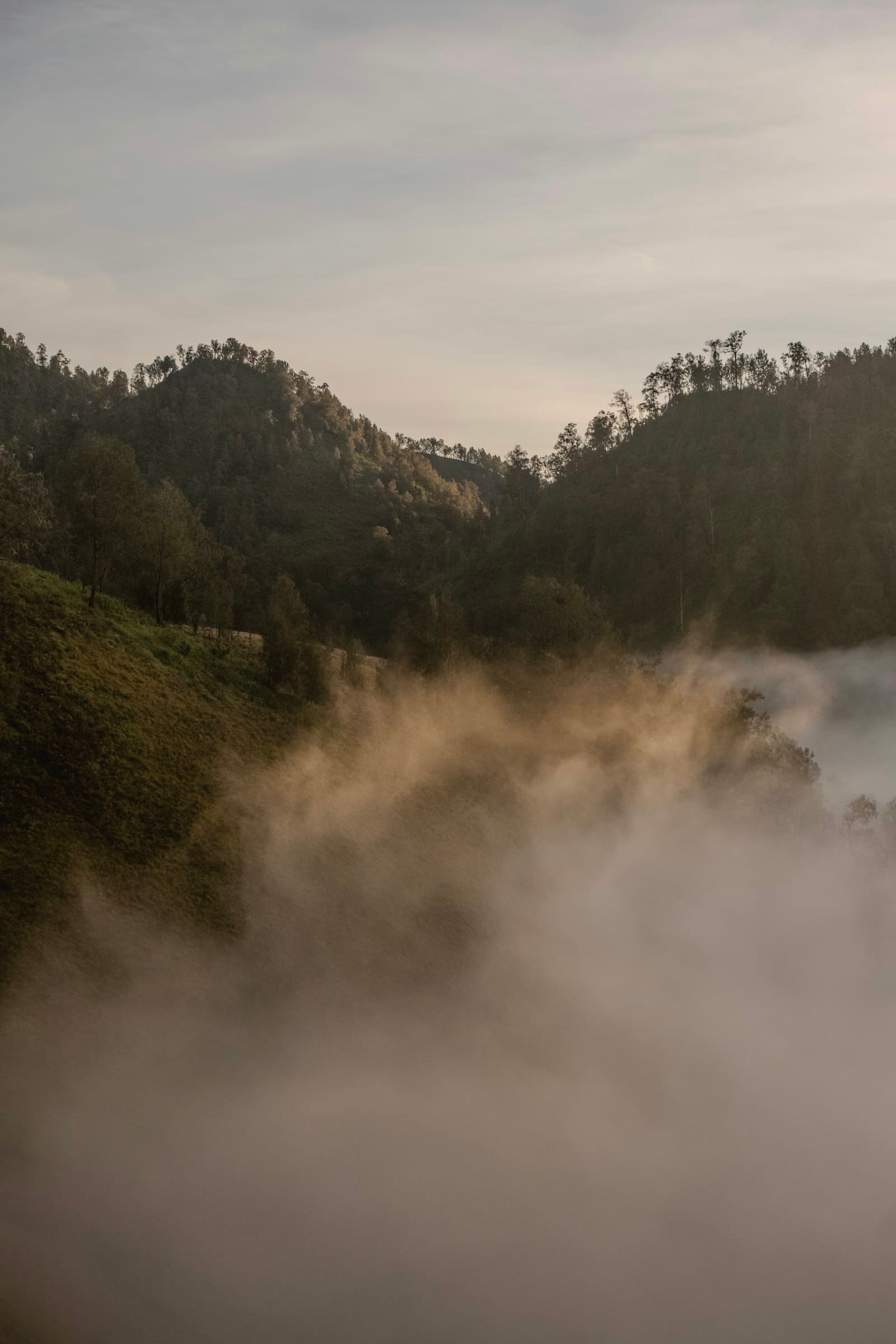
Low sun filling a fogged valley between forested mountains.

KLD-TR

Toraja Sapan

Enrekang and Tana Toraja, South Sulawesi

Sapan Minanga is a village high in the Latimojong range, on the border between Enrekang and Toraja, and it grows some of the highest arabica in the country. Cold nights at 1,800 metres slow the cherry down, and you taste it: this is the most acidic, most articulate coffee we ship.

Sulawesi also breaks the Sumatran habit. Most of what we take here is fully washed at the farm and dried on beds, so it drinks nothing like a wet-hulled lot from the other side of the water.

Altitude
1,400–1,900 m
Soil
Weathered volcanic loam, Latimojong range
Varieties
S795, Typica, Lini S
Process
Fully washed, some wet-hulled on request
Harvest
May–Sep
In the cup
Black tea, dried plum, clove, clean finish
Groups
7 groups, 280 smallholders
To port
Enrekang to Makassar, 8 hours by road
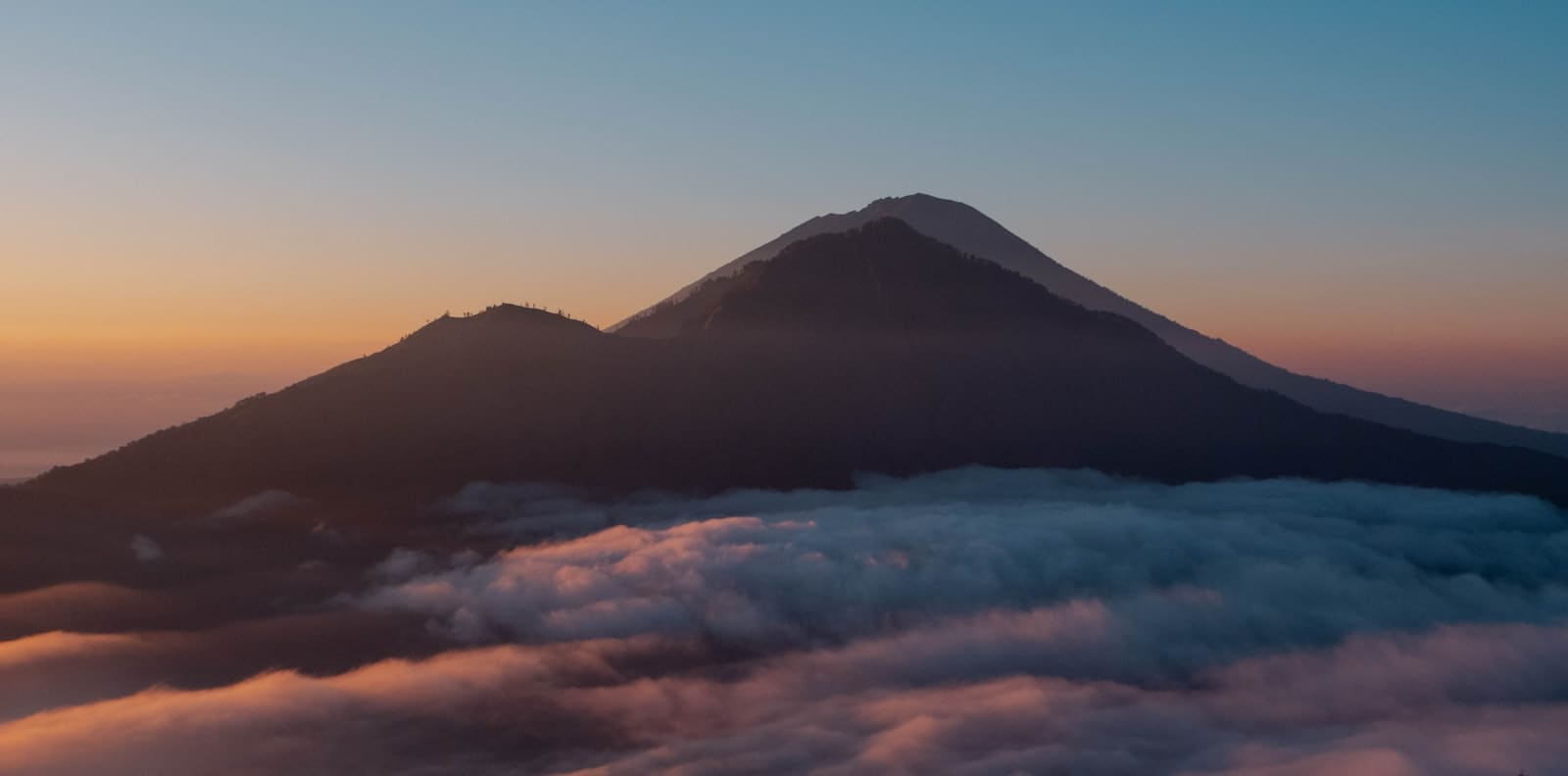
A cloud-wrapped volcanic cone at last light.

KLD-KT

Kintamani

Bangli, on the Batur caldera, Bali

The trees sit on the outer rim of the Batur caldera, in ash young enough that the ground still looks new. Farming here is governed by subak abian, the collective that decides how water and land are shared, and under it the coffee is planted between orange trees and pesticides are largely refused.

That is not folklore, it is the flavour. Kintamani is citric and light-bodied in a way no other Indonesian origin is, and the fruit it grows beside is doing some of the work. It was the first Indonesian coffee to be given a Geographical Indication.

Altitude
1,200–1,500 m
Soil
Young andosol, Batur ash
Varieties
Kartika, S795, Kopyol
Process
Fully washed, honey
Harvest
May–Sep
In the cup
Tangerine, lemongrass, light body
Groups
6 groups, 190 smallholders
To port
Benoa direct, or Tanjung Perak by ferry
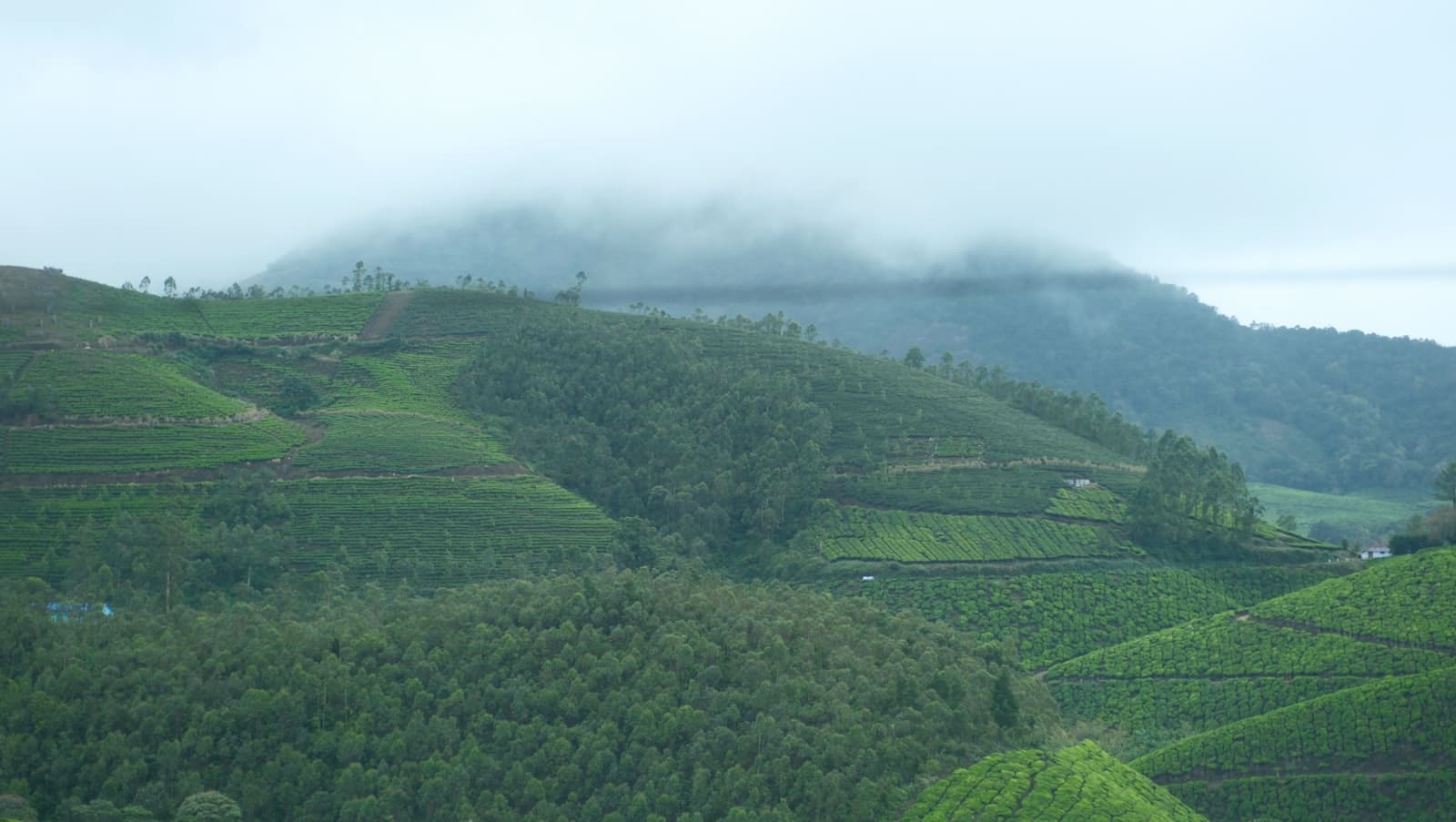
Terraced planting following the contours of misty green mountains.

KLD-BJ

Bajawa

Ngada, under Mount Inerie, Flores

The Bajawa plateau lies in the shadow of Inerie, a near-perfect cone that supplies the ash the whole district grows in. Farms are small even by Indonesian standards, shaded hard, and often reached on a road that a truck takes at walking pace.

Volumes are the smallest of anything we ship and the logistics are the most awkward — everything goes by feeder vessel from Ende. It is also the mark we most often have to allocate rather than sell, so tell us early if you want it.

Altitude
1,300–1,600 m
Soil
Andosol on the Inerie apron
Varieties
Typica, Lini S, Juria
Process
Fully washed, natural
Harvest
May–Sep
In the cup
Cocoa and cinnamon washed, stewed berry natural
Groups
5 groups, 160 smallholders
To port
Bajawa to Ende, then feeder to Tanjung Perak
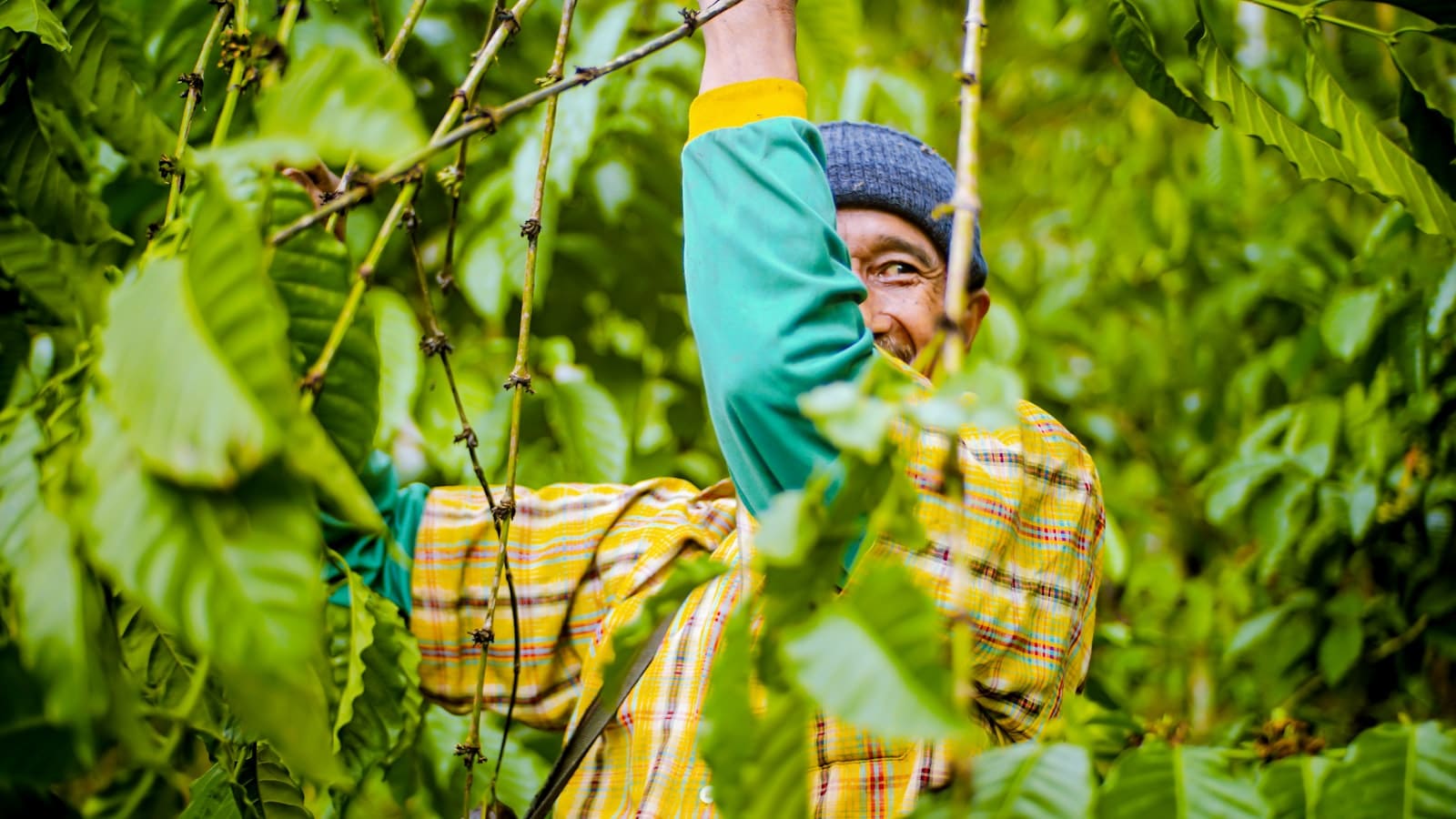
A man standing among dense green planting on a forested slope.

KLD-JP

Java Preanger

Mount Puntang and Malabar, Bandung highlands, West Java

Preanger is the old spelling of Priangan, the West Java highlands where the Dutch first put arabica in the ground in the 1700s and where the word “java” came to mean coffee at all. The plantations were abandoned to leaf rust; what grows there now is smallholder ground on the old terraces.

It is the most restless region we work in. Puntang and Malabar farmers experiment with honey and anaerobic lots every crop, which means this mark changes character more than the others from year to year. Cup it fresh each season rather than assuming last year's profile.

Altitude
1,400–1,700 m
Soil
Andosol on old plantation terraces
Varieties
Lini S 795, Sigararutang, Andungsari
Process
Fully washed, honey, natural
Harvest
Jun–Oct
In the cup
Brown sugar, stone fruit, jasmine on honey lots
Groups
3 groups, 120 smallholders
To port
Bandung to Tanjung Priok, 4 hours by road

Where else we look

Bought to order rather than held in stock. If one of these is what you are after, ask early — most of them need a season of notice.

Wamena, Papua
Baliem Valley, 1,500–2,000 m, organic by default because nothing else is available up there. Tiny volumes, and it leaves the valley by air.
Solok and Kerinci
West Sumatra and Jambi, 1,200–1,600 m, on the Kerinci Seblat volcanic chain. Washed lots with more acidity than a Gayo.
Temanggung
Central Java, on the saddle between Sindoro and Sumbing. Arabica above the tobacco line, often intercropped with it.